
Sinfonia Britannica (2026)
for chamber orchestra
2 fl; 2 ob; 2 cl; 2 bsn
2 hn; 2 tpt
timp
strings
Duration: c. 11 minutes
Programme note:
A ‘pasticcio’ of British baroque music for chamber orchestra.
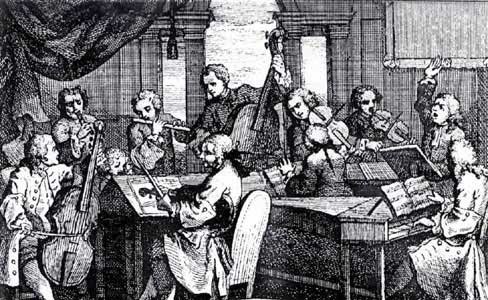
The term pasticcio — Italian for a mixture or pie — describes a popular Baroque practice of assembling new works from existing music. Particularly common in 18th-century opera, composers such as Handel and Vivaldi would curate and adapt arias (sometimes by other composers) to suit performers and audiences. Originality was less important than expressive impact, practicality, and the pleasure of familiar, stirring music presented in a new way. This chamber suite embraces that spirit, bringing together four works by composers active in Britain during the Baroque period.
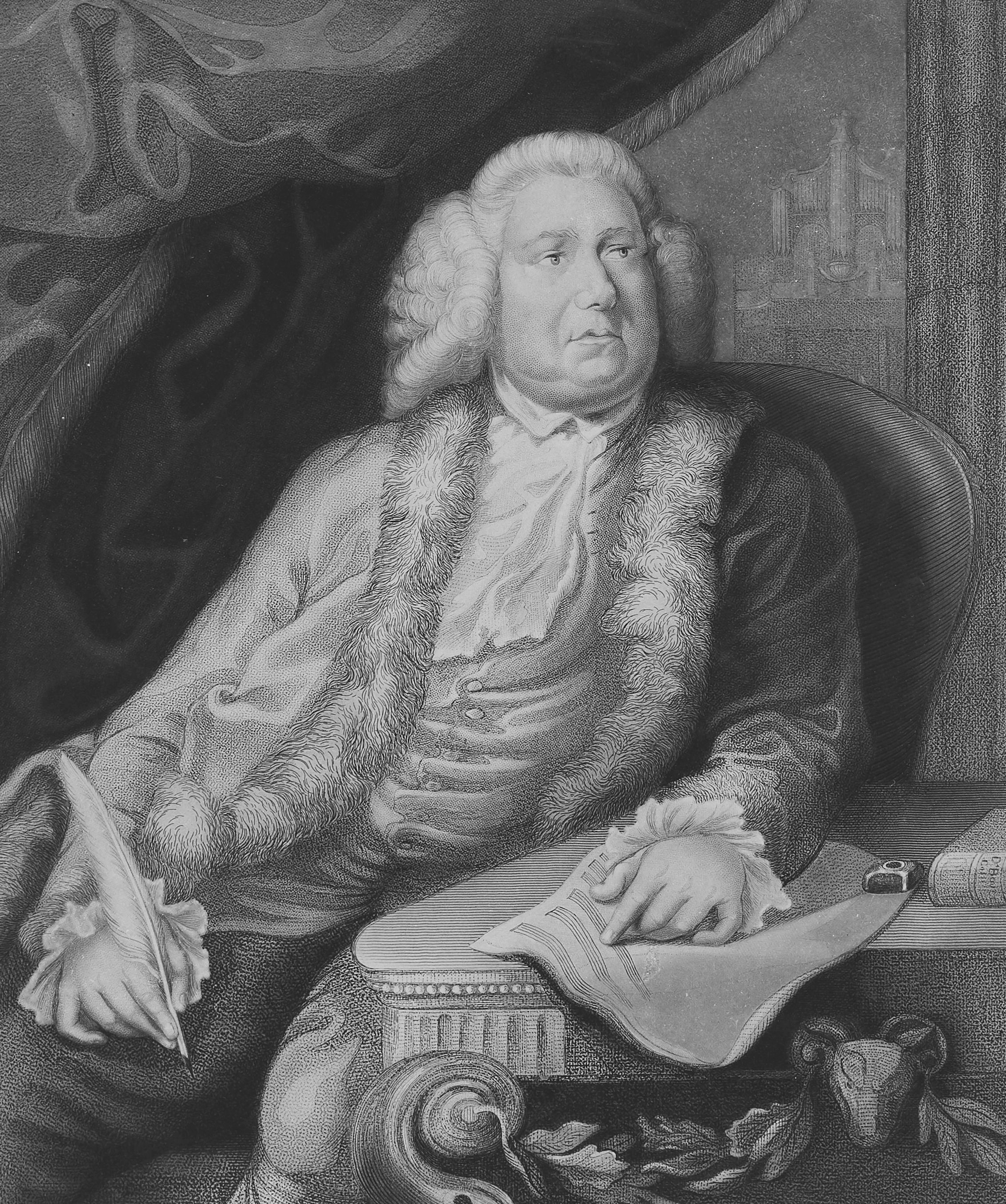
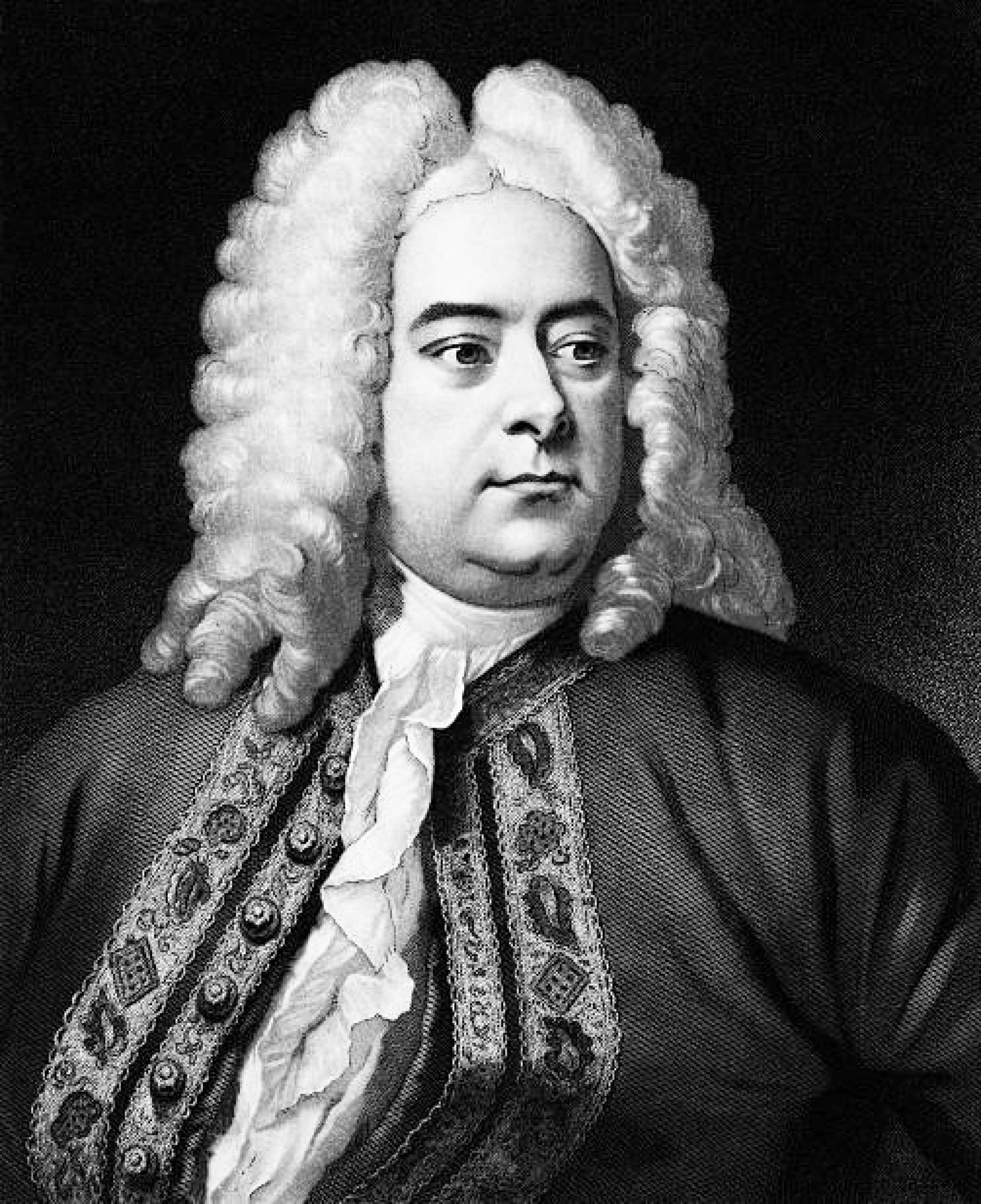
The suite opens with the first movement of Symphony No. 4 by William Boyce (1711 – 1799), one of the leading English composers of the 18th century. Boyce’s symphonies, derived from his theatre overtures, are elegant and energetic, blending French grandeur with Italian brightness.
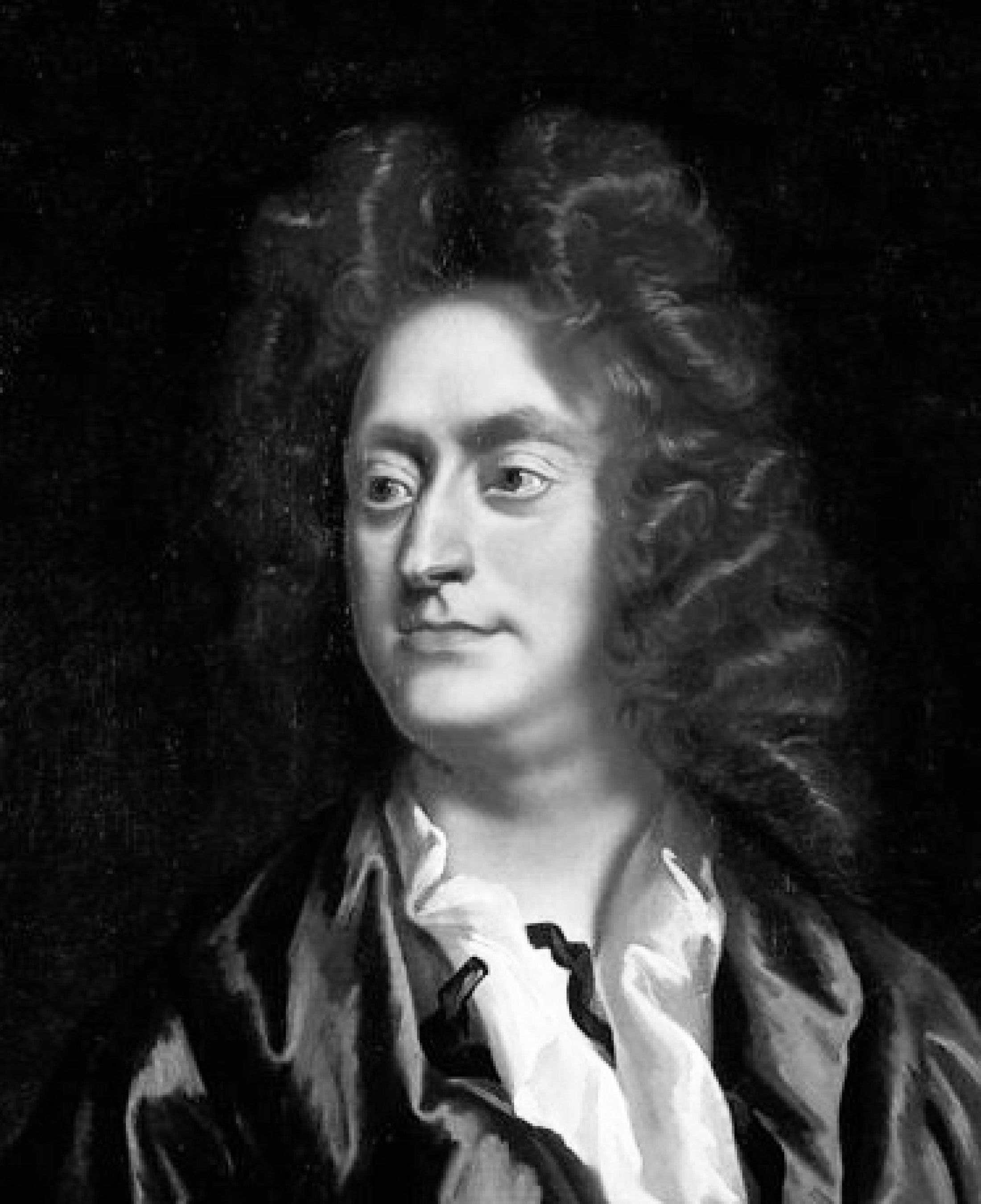
A New Ground by Henry Purcell (1659 – 1695) provides the second movement. A “ground” is a set of repeating bass notes over which increasingly elaborate variations unfold. Purcell, one of the greatest composers of the English Baroque, transforms this simple pattern into music of poise and expressive depth, balancing decorative detail with graceful restraint.
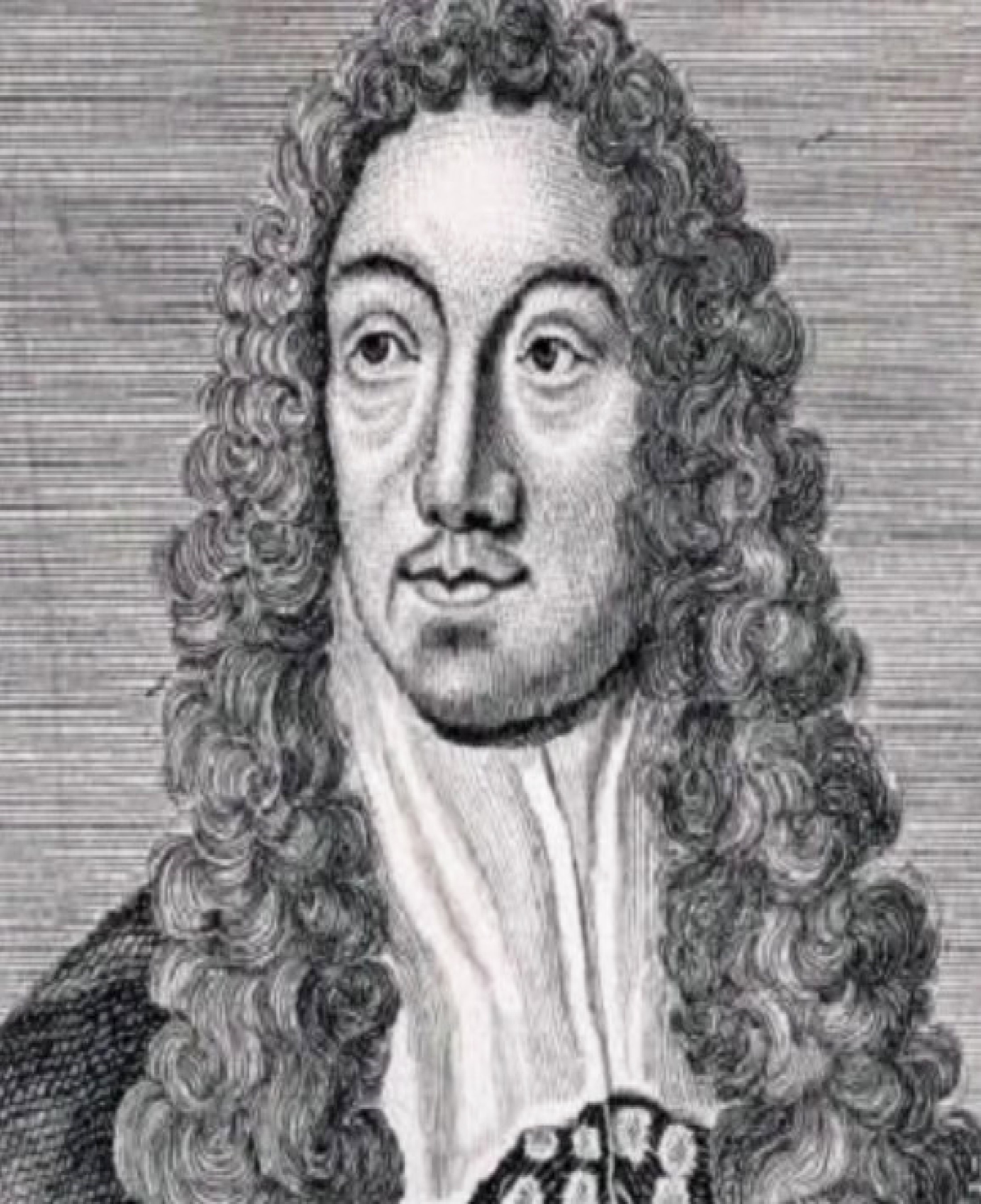
The mood shifts again with Canon 4 in 2 by Matthew Locke (1621 – 1677), originally written as the concluding music for a Restoration-era production of The Tempest. Locke, a generation before Purcell, was a key figure in early English theatrical music. This ingenious canon layers interweaving lines to create a rich, almost hypnotic texture — both intellectually satisfying and warmly sonorous.
The suite concludes with music of unmistakable grandeur: Music for the Royal Fireworks by George Frideric Handel (1685 – 1759). Written for a vast outdoor celebration in 1749, this music was designed to dazzle. The stately Adagio leads to a jubilant and rhythmically driven Allegro, bringing the suite to a festive close.
Like the Baroque pasticcios that inspired it, this Sinfonia celebrates contrast, variety, and the art of re-imagining. Familiar and lesser-known voices meet across time, not in strict historical sequence, but in a shared language of vitality, invention, and expressive charm.
Charlie Barber, March 2026
Score
Audio
Orchestral parts
Orchestral parts available at the International Music Score Library Project (IMSLP)
Images
Performances
| Nov 26 | CARDIFF | Urban Crofters | Roath Chamber Orchestra |
Related content

Ludwig Variations (2017) – Beethoven reimagined through new rhythms, textures, transformation
chamber orchestra

Improvisations & Allegro (2016) – Baroque-inspired works infused with Middle Eastern rhythms
string orchestra

Works index
 |  |  |
 |  |  |
 |  |
 Charlie Barber